


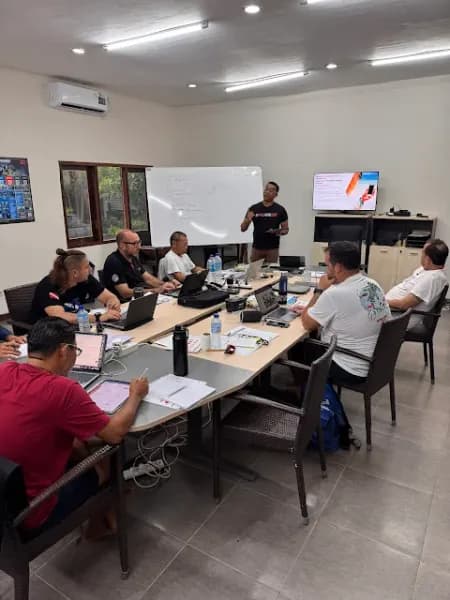

Imagine gearing up for a dive and facing unexpected underwater challenges. Often, it’s not just equipment or dive skills that determine the outcome, but how divers think and work together under pressure. The Human Diver’s HFiD Essentials course taps into this critical aspect—human factors—that many divers overlook. This course offers a fresh perspective that blends psychology, teamwork, and practical strategies to transform diving experiences and safety.
Introducing Human Factors in Diving Safety
When it comes to diving safety, most divers focus on technical skills and equipment. However, research and real-world experience show that human factors—the psychological and behavioral elements that shape our actions—play an equally vital role in underwater safety. The Human Diver’s HFiD: Essentials course places these human factors at the core of its training, drawing on lessons from high-risk fields like aerospace, surgery, and special operations to help divers understand and manage the complexities of human behavior beneath the surface.
What Are Human Factors in Diving?
Human factors in diving refer to the non-technical skills and mental processes that influence how divers perform, communicate, and make decisions. These include situation awareness, teamwork, leadership, communication, and the ability to recognize and manage human error and cognitive biases. Even the most skilled divers can make mistakes due to stress, fatigue, or misjudgment—often without realizing it until it’s too late.
How Cognitive Biases and Human Error Influence Dive Outcomes
Cognitive biases can distort perception and decision-making underwater. For example, confirmation bias may cause a diver to ignore warning signs that don’t fit their expectations, while overconfidence can lead to risky choices. The HFiD: Essentials course helps divers identify these mental shortcuts and understand how human error diving incidents occur, making it easier to prevent accidents before they happen.
The Role of Psychological Safety in Learning
A key insight from the course is the importance of psychological safety diving. In a psychologically safe environment, divers feel comfortable speaking up about concerns, sharing mistakes, and asking questions without fear of blame. This “just culture” is essential for learning from incidents and improving team performance. As The Human Diver states:
Understanding human factors is critical to turning safe divers into safety leaders.
Why Technical Skills Alone Aren’t Enough
While mastering equipment and procedures is essential, technical skills alone can’t guarantee safety underwater. The HFiD: Essentials course shows that true safety comes from combining technical expertise with a deep understanding of human behavior, communication, and decision-making. By focusing on these human factors diving skills, divers can better manage risks, adapt to changing situations, and support each other—making every dive safer and more enjoyable.
Course Breakdown: Modules That Shape a Diver’s Mindset
The HFiD: Essentials online diving course from The Human Diver is expertly structured to build a strong foundation in human factors diving. The course consists of 12 focused modules, each designed to shape the mindset of divers at every level—from recreational to technical and instructor trainers. These modules cover essential topics such as human error, decision making for divers, teamwork in diving, and leadership, ensuring a well-rounded approach to underwater safety and performance.
Introduction
Human Factors and Non-Technical Skills
'Human Error'
Violations and Normalisation of Deviance
Psychological Safety and Just Culture
Decision Making
Situation Awareness
Communication
Teamwork
Leadership and Followership
Performance Shaping Factors
Case Study and Summary
Each module is divided into concise, 5-15 minute lessons, making it easy for busy divers to learn at their own pace. This short-lesson format is proven to improve retention and helps learners absorb key concepts efficiently. As one course participant shared:
This course is about learning smarter, not longer.
Real-world case studies are woven throughout the modules, bringing theory to life with relatable diving scenarios. These stories help divers connect abstract concepts—like cognitive bias or communication breakdowns—to actual events, making the lessons immediately applicable on every dive.
Beyond the core modules, HFiD: Essentials offers a wealth of bonus resources. Participants gain lifetime access to:
Published research papers
Infographics and case study PDFs
Briefing and debriefing guides
eBooks for deeper learning
All videos are downloadable for offline viewing, perfect for travel or liveaboard trips. The course is regularly updated with new content, ensuring divers always have access to the latest insights in decision making divers and teamwork diving. The flexible, self-paced design means you can start, stop, and revisit lessons as needed—ideal for adapting to any schedule.
With a one-time investment of $97, divers receive approximately 3.5 to 4 hours of high-impact training, lifetime access, and a certificate upon completion. This structure, combined with a supportive community and frequent updates, makes HFiD: Essentials a standout in online diving education.
The Power of Psychological Safety and Just Culture in Diving
One of the most transformative aspects of the HFiD: Essentials course by The Human Diver is its focus on psychological safety in diving and the development of a just culture within dive teams. These concepts are foundational for creating a strong safety culture—one where divers at all levels feel empowered to speak up, share concerns, and learn from mistakes without fear of blame or retribution.
Creating an Environment Where Divers Feel Safe to Share Concerns
Psychological safety means that every diver, from recreational beginners to technical instructors, can voice observations or uncertainties without risking embarrassment or punishment. This open communication is crucial for teamwork in diving, as it allows potential problems to be addressed before they escalate. As one renowned diving psychologist notes:
“Psychological safety transforms teams into communities of trust.”
When divers feel safe to contribute, they are more likely to report near-misses, question risky decisions, and participate in honest debriefs—key elements for ongoing improvement and accident prevention.
Learning from Incidents Through Curiosity, Not Judgment
The HFiD: Essentials course teaches that adopting a curious, non-judgmental mindset is essential for learning from incidents. Instead of assigning blame, divers are encouraged to explore the why behind errors or close calls. This approach not only reduces stress but also enhances decision-making, as divers become more willing to analyze and discuss what went wrong.
Building Trust and Strengthening Team Dynamics Underwater
Trust is the backbone of effective dive teams. By fostering psychological safety and a just culture, the course helps teams build trust that extends underwater, where clear communication and mutual support are critical. This trust enables teams to function cohesively, especially in high-stress or technical environments.
Reducing Normalization of Deviance to Prevent Risky Behaviors
A key insight from the course is the danger of the normalization of deviance—when unsafe practices become routine because “nothing bad has happened yet.” By promoting open dialogue and accountability, HFiD: Essentials helps teams recognize and address these risky behaviors before they lead to accidents.
Ultimately, just culture balances accountability with open communication, making it essential for instructors, technical dive teams, and anyone committed to advancing safety culture in diving.
Mastering Decision Making and Situation Awareness Beneath the Surface
Effective decision making for divers and strong situation awareness in diving are critical skills that can make the difference between a safe, enjoyable dive and a dangerous incident. The Human Diver’s HFiD: Essentials course delivers practical, research-backed techniques to help divers at every level sharpen their awareness and make better choices underwater.
Techniques for Improving Situation Awareness
Situation awareness starts long before a diver enters the water. The HFiD: Essentials course emphasizes thorough pre-dive planning, including reviewing site conditions, equipment checks, and clear team communication. During the dive, divers are taught to actively monitor their environment, team members, and personal status, using mental checklists and regular “what-if” scenario thinking to anticipate and respond to changes. Research shows that divers with higher situation awareness are better equipped to recognize hazards early, reducing operational risks and improving overall safety.
Recognizing and Mitigating Cognitive Biases
Mistakes in diving often stem from rushed or biased decisions. The course introduces common cognitive biases—like confirmation bias or tunnel vision—that can cloud judgment underwater. By learning to pause, question assumptions, and seek input from teammates, divers can avoid these mental traps. HFiD: Essentials provides practical exercises to help divers recognize when their thinking might be compromised and how to recalibrate for safer outcomes.
Decision-Making Frameworks for High-Pressure Environments
Underwater, decisions must often be made quickly and under stress. The course teaches structured decision-making frameworks tailored for diving, such as the OODA Loop (Observe, Orient, Decide, Act) and the use of checklists. These frameworks help divers slow down their thinking, consider all available information, and make choices that prioritize safety. As one diving safety expert notes:
Sharp decision-making saves lives underwater.
Debriefing Skills for Performance Improvement
Learning from every dive is essential for continuous improvement. The HFiD: Essentials course integrates debriefing skills, encouraging divers and teams to reflect on what went well and what could be improved. Effective debriefing helps internalize lessons from incidents, reinforces positive behaviors, and fosters a culture of open, non-judgmental learning. This approach not only boosts individual performance but also strengthens team cohesion and safety awareness for future dives.
Communication, Leadership, and Teamwork: The Hidden Essentials
Effective communication skills, strong leadership skills, and cohesive teamwork diving are often the hidden essentials that separate safe, enjoyable dives from those that end in confusion or even tragedy. The HFiD: Essentials course by The Human Diver places these human factors at the heart of its curriculum, recognizing that many diving accidents have roots in poor team dynamics and communication breakdowns.
How Communication Prevents Accidents and Builds Trust
Clear, open communication is the backbone of any safe dive. The course demonstrates how structured briefings, active listening, and non-verbal cues can prevent misunderstandings that might otherwise lead to errors or emergencies. Research shows that team communication reduces mistakes and enhances overall safety culture. By practicing these skills, divers build trust and psychological safety within their teams, making it easier to speak up about concerns before small issues escalate.
Teamwork underwater is as critical as air supply. – Technical Diving Instructor
Leadership and Followership: Balanced, Responsive Teams
Leadership in diving is not just about giving orders—it’s about creating an environment where every team member feels valued and heard. The HFiD: Essentials course explores both leadership and followership roles, emphasizing that effective teams require active participation from all members. Instructors and divers alike learn how to lead by example, encourage input, and adapt to changing situations. This balanced approach fosters responsive teams that can handle challenges together, reducing the likelihood of incidents caused by miscommunication or unclear roles.
Performance-Shaping Factors and Team Effectiveness
Team effectiveness is influenced by a range of performance-shaping factors, including stress, fatigue, experience level, and environmental conditions. The course helps divers recognize these factors and adjust their behaviors accordingly. By understanding how these elements impact decision-making and communication, divers can better support one another and maintain high standards of safety and performance throughout the dive.
Community Support: Affiliate and Ambassador Programs
The Human Diver extends its impact beyond the course through affiliate and ambassador programs. Graduates are encouraged to join a supportive community, sharing insights and advocating for improved diving safety. This ongoing engagement helps reinforce a positive safety culture and ensures that the lessons of teamwork, communication, and leadership continue to shape the diving world for the better.
Why HFiD Essentials Is a Game-Changer for Divers Worldwide
The HFiD Essentials online diving course by The Human Diver is redefining what it means to dive safely and effectively, no matter your experience level. Recognized with prestigious awards from TekDiveUSA, OzTek, and the Chartered Institute of Ergonomics, this program stands out for its innovative approach to technical diving safety and its commitment to advancing human factors diving knowledge across the global diving community.
Unlike traditional training materials, HFiD Essentials goes beyond basic skills to address the human side of diving—covering decision-making, communication, leadership, and team dynamics. Its 12-module structure is designed for everyone, from recreational open water divers to technical and cave instructors. The course’s flexibility is a major advantage: learners can progress at their own pace, with concise lessons that fit into any schedule. For a one-time investment of $97, divers receive lifetime access, including all future updates, making it one of the most accessible and affordable resources for diving safety education.
The program’s impact is amplified by a thriving online community and continuous content updates, ensuring that both technical and recreational divers remain engaged and supported long after completing the course. Graduates become ambassadors for a safer diving culture, sharing insights and advocating for best practices worldwide. As one experienced technical diver put it:
“This course changed how I think about diving safety – it’s a must for all serious divers.”
HFiD Essentials has earned strong testimonials for its practical, real-world impact. Divers and instructors alike praise its depth, self-reflective approach, and immediate applicability to dive planning, teamwork, and incident analysis. The inclusion of real case studies and research-backed resources helps learners internalize lessons and apply them to their own diving, whether they are leading teams or diving solo.
With a generous 100% money-back guarantee and a commitment to ongoing improvement, HFiD Essentials is more than just an online diving course—it’s a movement toward sustainable, community-driven safety in diving. Its award-winning content, flexible access, and proven results make it an essential investment for anyone serious about mastering the human factors that underpin safe, enjoyable dives.